



Hydrogen Water & Exercise
Exercise and fitness research includes people of different ages and activity levels, from walkers and joggers to trained athletes. Researchers have studied hydration choices and measured fatigue, lactate, oxidative-stress markers, perceived exertion, and recovery after activity. Whether a particular beverage changes a meaningful outcome depends on the study population, comparison group, dose, timing, and exercise protocol. The questions are worth exploring, but no drink is an easy, proven shortcut to more energy or improved performance.
There is a highly credible body of science that shows molecular hydrogen – or H 2 – is examined in peer-reviewed research across biological systems and exercise settings. The literature includes studies of multiple organs and disease models, but those studies do not establish therapeutic effects; a growing number examine exercise-related measures in exercisers and athletes.
What Makes Exercise Hard?
Activity above a resting state increases energy and oxygen demand. Research describes how exercise intensity and duration can affect oxidative-stress markers, glycogen use, lactate, fatigue, and muscle soreness.
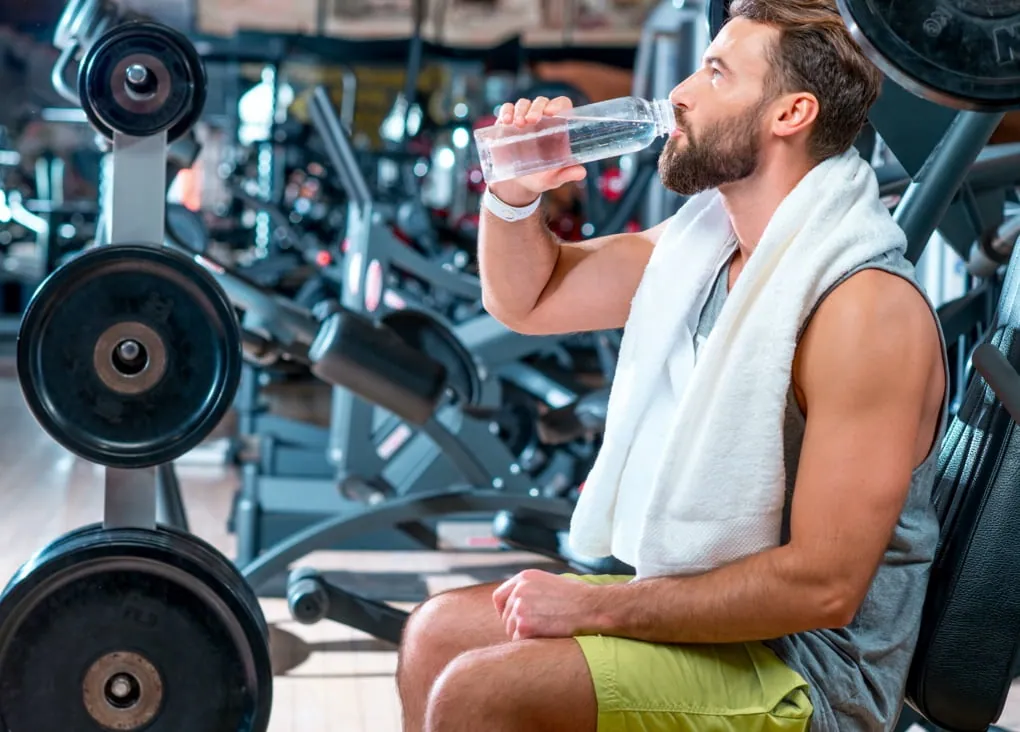
H 2 Water and Energy Research
ATP (adenosine triphosphate) is an energy carrier produced in cells and used during physical activity. Mitochondrial function and oxidative-stress markers are among the measures studied in exercise physiology. Their relationship to training and performance is complex and cannot be reduced to a promise that a particular drink increases energy.
Some studies examine H 2 alongside oxidative-stress markers and mitochondrial-function measures; ATP-related outcomes are among the measures used in exercise research.
When ATP demand rises, the body can metabolize stored glycogen. Some research measures glycogen-related outcomes alongside H 2 exposure, without establishing a performance effect.4
H2 Water and Post-Exercise Recovery
One cited pilot study of highly trained athletes measured muscle fatigue and lactate after participants drank hydrogen-rich water before exercise. Its reported findings should be read in the context of the study's small sample, design, and comparison group rather than treated as a promised recovery effect.6
A similar study found that H 2-infused water and measured perceived exertion and lactate at a specified running speed. The authors discussed a possible association with exercise-stress measures during maximal exercise; that conclusion belongs to this particular study and does not establish a universal benefit. 7
This quote from one of the research papers on the topic says it succinctly: "Adequate hydration with hydrogen-rich water pre-exercise reduced blood lactate levels and improved exercise-induced decline of muscle function." ~K. Aoki, et al Medical Gas Research, 2012.
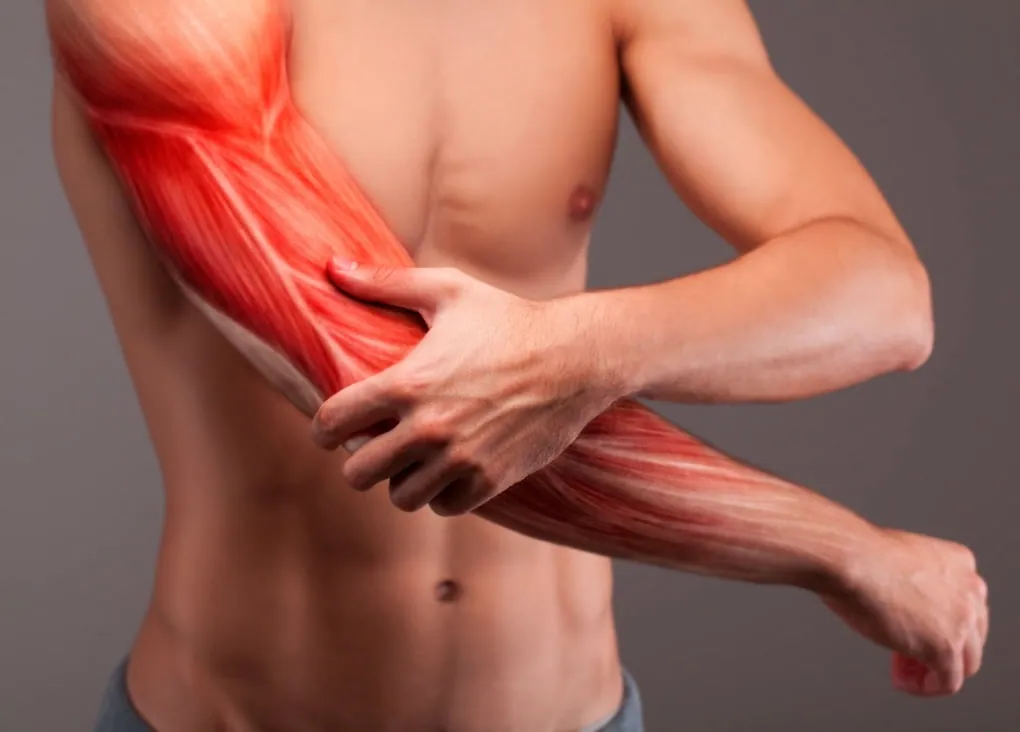
H 2 Water and Oxidative-Stress Research
Activity changes oxygen demand, and strenuous exercise can alter oxidative-stress and lactate measurements. Researchers also monitor fatigue, soreness, and markers of muscle adaptation across training and recovery. Oxidative processes have both normal physiological roles and contexts where they are studied as possible sources of tissue stress; a single marker does not show whether a water product changes a person's health or recovery.
Some experiments investigate whether H 2 reacts selectively with free radicals; “good” and “bad” radical descriptions are research shorthand, and findings depend on model and concentration.8,9
H 2 and Recovery Research
Proper recovery from an injury or exertion involves more than muscle repair; it takes chemical and hormonal rebalancing, nervous system repair, rejuvenating our mental state, and more. H 2 has been studied alongside enzyme-homeostasis measures including glutathione, superoxide dismutase, and catalase.4 Research has also examined H2 and cell-signaling measures relevant to neurological function.4,14 One cited study examined H2 in relation to musculotendinous injuries; this does not establish a treatment.10
H 2 Water and VO2 Max Studies
A cited study 5 compared hydrogen-rich water with a tap-water placebo and measured VO2 max, time to exhaustion, and total work. Its authors reported differences in those measures and described their safety observations for that study population. Results from one trial do not establish improved performance or universal safety for everyone who drinks hydrogen water.
Hydrogen Water and Cellular Hydration Research
Research discusses a possible reaction in which H 2 and reactive oxygen species form water (O- + H2 > H2O); implications for cellular hydration remain a hypothesis. Safety findings vary by study design, dose, and population and should not be generalized as “100% safe.”
Interpreting the Exercise Evidence
Research on drinking H 2 saturated water has been studied in relation to fitness and athletics. Researchers have measured ATP-related outcomes, fatigue, glycogen, VO2 max, hydration, and oxidative-stress markers; findings vary by protocol. Research also includes disease models, but those findings do not establish a general-health outcome or treatment. Readers should review the cited studies and seek qualified advice for individual training questions.
The Best Way to Get H 2 Water?
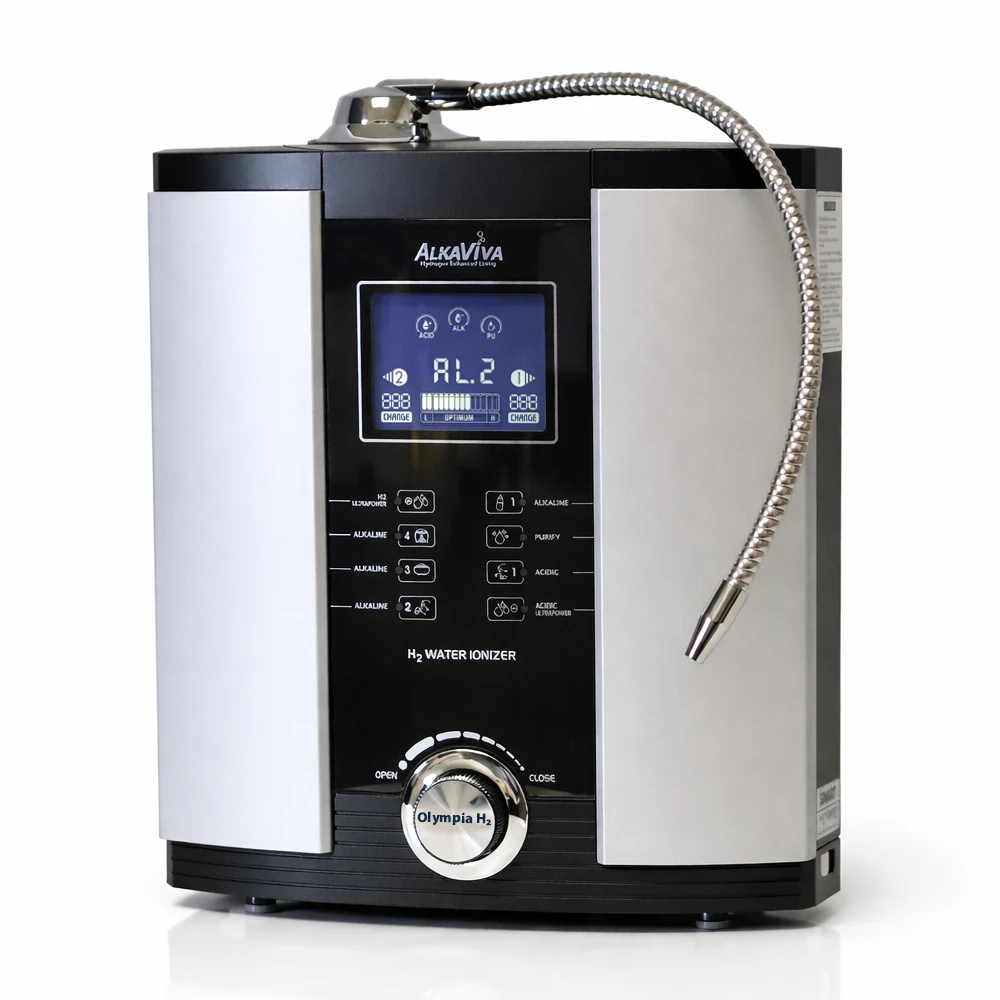
Some natural springs contain dissolved molecular hydrogen and minerals. H2-series ionizers are consumer devices that filter and electrolyze tap water; performance depends on the model, water, and operating conditions. Independent laboratory testing should be described accurately and not as medical evidence.
Across the cited literature, researchers ask different questions about hydrogen-rich water, including whether timing before exercise changes lactate or perceived exertion, whether post-exercise measurements differ from a comparison beverage, and whether any observed laboratory marker corresponds with a meaningful training outcome. These questions are studied in different populations, from recreational participants to highly trained athletes, and the protocols do not all use the same water preparation, exercise test, or follow-up period. A result reported in one setting should therefore be read as evidence about that study’s endpoint, not as a promise for every athlete or consumer device. Readers evaluating the topic can compare the sample size, randomization, comparator, dosage, timing, and prespecified outcomes in each paper. Hydrogen water remains a subject for research rather than a substitute for hydration planning, recovery practices, or individualized professional advice.
References:
- Djordjevic D, Cubrilo D, Macura M, Barudzic N, Djuric D, Jakovljevic V. The influence of training status on oxidative stress in young male handball players. Mol Cell Biochem. 2011;351(1–2):251–259.
- Tanskanen M, Atalay M, Uusitalo A. Altered oxidative stress in overtrained athletes. J Sports Sci.2010;28(3):309–317. doi: 10.1080/02640410903473844.
- Jackson MJ. Muscle damage during exercise: possible role of free radicals and protective effect of vitamin E. Proc Nutr Soc. 1987;46(1):77–80. doi: 10.1079/PNS19870010.
- T. Lebarron The Actions of Molecular Hydrogen in the Body, MHI, March 4, 2013.
- Sergej M. OSTOJIC, Darinka KOROVLJEV, et al, 28-Days Hydrogen-Rich Water Supplementation Affects Exercise Capacity, Applied Bioenergetics Lab, Faculty of Sport and PE, University of Novi Sad, Serbia
- Pilot study: Effects of drinking hydrogen-rich water on muscle fatigue caused by acute exercise in elite athletes. Med Gas Res. 2012 Jul 12;2:12. doi: 10.1186/2045-9912-2-12.
- Ostojic SM, Stojanovic MD. Hydrogen-rich water affected blood alkalinity in physically active men. Res Sports Med 2014; 22: 49–60.
- Ohsawa I, Ishikawa M, Takahashi K, Watanabe M, Nishimaki K, Yamagata K, Katsura K, Katayama Y, Asoh S, Ohta S. Hydrogen acts as a therapeutic antioxidant by selectively reducing cytotoxic oxygen radicals. Nat Med. 2007;13(6):688– 694. doi: 10.1038/nm1577.
- Kosuke Aoki, Atsunori Nakao, Takako Adachi, Yasushi Matsui, and Shumpei Miyakawa Hong Y, Chen S, Zhang JM. Hydrogen as a selective antioxidant: a review of clinical and experimental studies. J Int Med Res 2010; 38: 1893–1903.
- Hong Y, Chen S, Zhang JM. Hydrogen as a selective antioxidant: a review of clinical and experimental studies. J Int Med Res 2010; 38: 1893–1903.
- Ostojic SM, Stojanovic MD, Hoffman JR. Effectiveness of molecular hydrogen in the management of musculotendinous injuries. Med Sci Sport Exerc 2014; 46: S156–S157.
- Huang CS, Kawamura T, Toyoda Y, Nakao A. Recent advances in hydrogen research as a therapeutic medical gas. Free Radical Res 2010;44(9):971–982.
- Ohta S, Nakao A, Ohno K. The 2011 Medical Molecular Hydrogen Symposium: An inaugural symposium of the journal Medical Gas Research. Med Gas Res 2011;1(1):10.
- Kenji Dohi, Brian C. Kraemer, Michelle A. Erickson, Pamela J. McMillan, Andrej Kovac, Zuzana Flachbartova, Kim M. Hansen, Gul N. Shah, Nader Sheibani, Therese Salameh, and William A. Banks. Molecular Hydrogen in Drinking Water Protects against Neurodegenerative Changes Induced by Traumatic Brain Injury, Injury PLoS One. 2014 Sep 24;9(9):e108034.
Ready for cleaner water?


This content is for educational purposes only and is not intended to diagnose, treat, cure or prevent any disease. AlkaViva water ionizers are not medical devices.